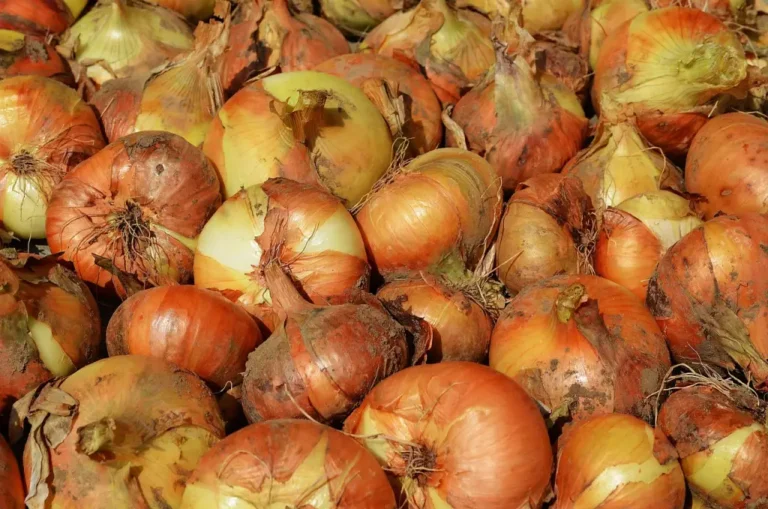
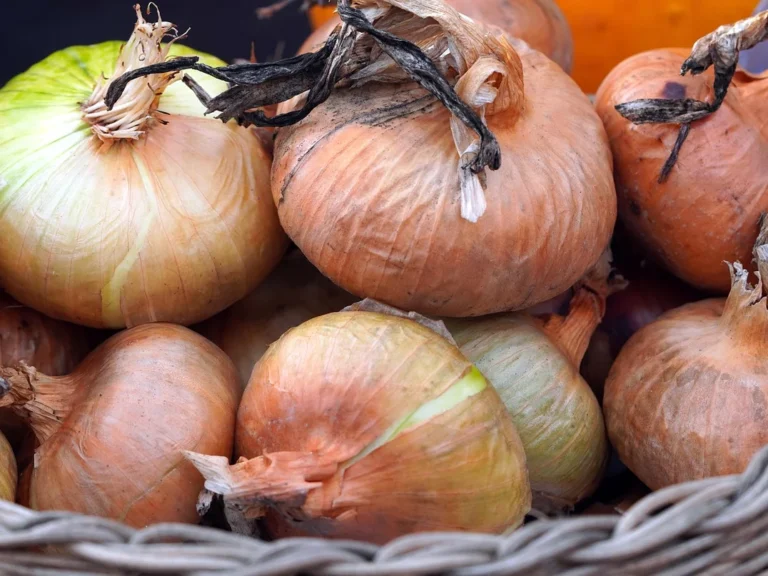
It is a scenario every gardener has faced: You open your pantry and find a bag of old potatoes sprouting in the dark. They look ready to grow.
The temptation is obvious. Why spend money on “certified seed potatoes” from a catalog when you have perfectly good potatoes sprouting right in your kitchen for a fraction of the price?
While you can technically plant grocery store potatoes, authoritative sources—from Cornell University to the University of Alaska Fairbanks—strongly advise against it. The difference comes down to two invisible factors: chemical growth inhibitors that delay sprouting and devastating diseases that can remain dormant in the tuber.
This guide breaks down the science of seed potatoes vs. store-bought, explaining why the “cheap” option might cost you your entire garden—and the one exception where you might get away with it.
Quick Answer: Can You Plant Grocery Store Potatoes?
Can you plant grocery store potatoes? Yes, physically they will grow, but it is not recommended by agricultural experts. Grocery store potatoes may have been treated with a chemical growth inhibitor called Chlorpropham (CIPC), which is designed to prevent sprouting during long-term storage and transport. More importantly, they are not certified disease-free and can introduce Late Blight—a “community disease” that spreads through airborne spores, can devastate your harvest, and infect neighboring gardens and commercial farms miles away.
Seed Potatoes vs. Store-Bought: What is the Difference?
To the naked eye, a certified seed potato and a supermarket potato look identical. However, according to Cornell University, the difference lies in their health and vigor.
| Feature | Certified Seed Potatoes | Grocery Store Potatoes |
| Disease Status | Certified Disease-Free. Grown in isolated fields and inspected to ensure they are free from viruses and blight. | Not Certified. Experts warn they are “more prone to disease” and can introduce Late Blight, viruses, and other pathogens to your garden. |
| Growth Vigor | Vigorous. Primed for rapid growth and maximum yield. | Less Vigorous. Cornell University notes these are often “less vigorous” and struggle to establish healthy plants. |
| Sprouting | Natural. Stored at optimal temperatures to encourage strong eyes. | Inhibited. May be treated with sprout inhibitors (like CIPC) to prevent sprouting during storage, leading to erratic germination. |
| Purpose | Bred specifically for planting and production. | Treated and stored specifically for eating. |
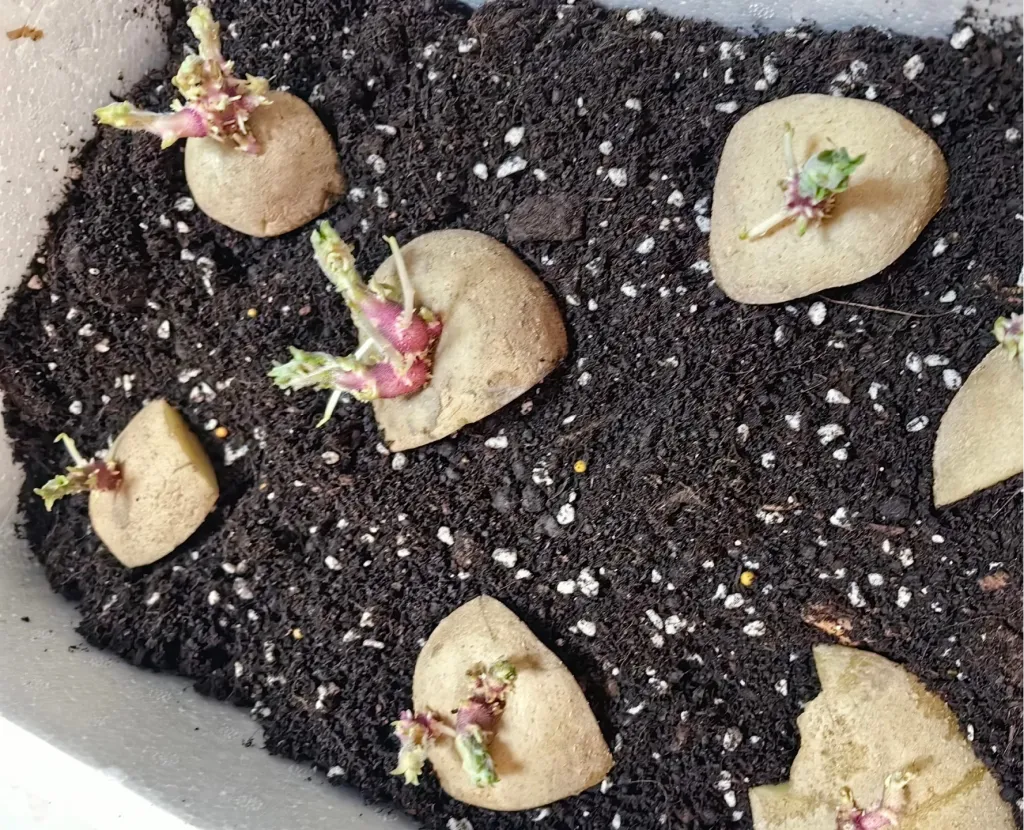
The Risks of Planting Grocery Store Potatoes
My advice aligns with major agricultural institutions like the University of Maine and Cornell University: the risk simply isn’t worth the savings. Here is the science behind why extensions warn: “Do not plant eating potatoes purchased at the grocery store”.
1. The Invisible Enemy: Late Blight
This is the single biggest reason to avoid store-bought tubers. They can carry Phytophthora infestans (Late Blight)—the pathogen that caused the Irish Potato Famine. A potato can look healthy on the shelf but still harbor this dormant pathogen.
- A “Community Disease”: The University of Maine describes Late Blight as a “community disease,” meaning an infected home garden can spread spores and destroy commercial potato fields miles away.
- The Consequence: New strains of this fungus are more aggressive than in the past. Once introduced, it can kill your tomatoes and eggplants and force local farmers out of business.
2. The Growth Inhibitor (Chlorpropham)
Have you ever wondered why potatoes in the store don’t sprout for weeks? Conventional commercial potatoes may be treated with a chemical sprout inhibitor called Chlorpropham (CIPC).
- The Science: The USDA explains that the goal of this treatment is to render the potatoes “non-viable” or “non-productive” to prevent pest transfer.
- The Result: If you plant these, you will often see poor results. Cornell University warns that treated potatoes are “less vigorous”, meaning they may never sprout, or will produce weak, spindly plants that yield a poor harvest.
The Exception: How to Plant Store Potatoes “Safely”
I know that despite the warnings, some gardeners still want to try it—perhaps for a fun experiment or to save money. If you decide to ignore the advice, you must follow these two rules to minimize the danger to your garden and your neighbors.
Rule 1: Use Only Organic Potatoes
If you are going to use store-bought tubers, buy USDA Certified Organic potatoes.
- The Logic: According to Oregon State University, certified organic growers are prohibited from using synthetic chemical sprout inhibitors like CIPC.
- The Benefit: While they still carry disease risk, organic potatoes are much more likely to sprout vigorously than conventional ones because they haven’t been chemically treated to stay dormant.
Rule 2: The “Quarantine” Method (Crucial)
Never plant store-bought potatoes near your other crops, especially tomatoes, peppers, and eggplants.
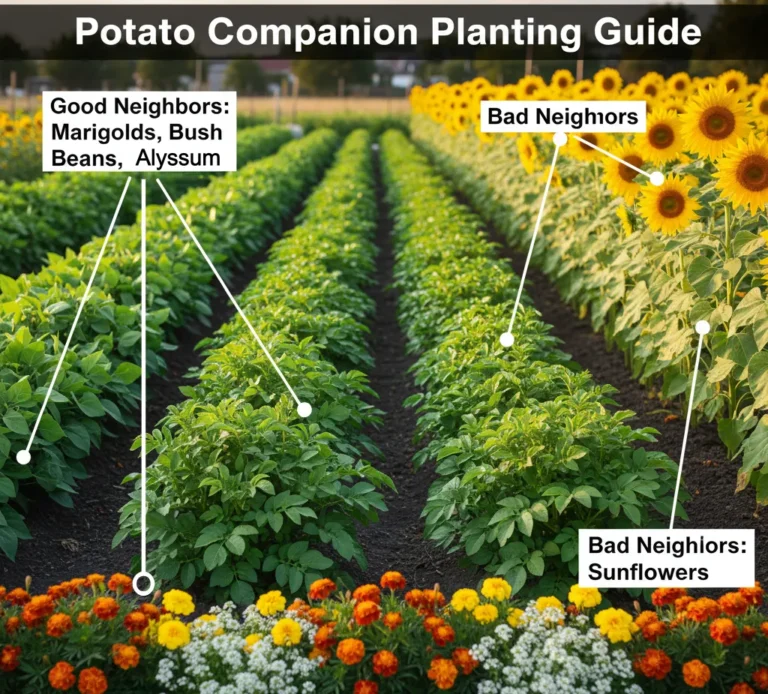
- The Strategy: Plant them in containers or grow bags placed away from your other nightshade crops (tomatoes and peppers). (Knowing your plant’s good and bad neighbors is a key defense strategy.)
- Why: If Late Blight appears, you must act fast. The University of Maine advises that if symptoms appear, you should pull the diseased plant, seal it in a plastic bag, and discard it without opening it.
- Critical Warning: DO NOT place the diseased plant or tubers into a compost pile or leave them in the garden. Late Blight spreads rapidly through airborne spores and can survive in infected plant material. By using a container, you can quickly remove and dispose of the entire infected plant—including any tubers—before spores spread to neighboring plants. This isolation strategy helps contain the outbreak and prevents it from reaching your other nightshade crops or neighboring gardens.
Want to learn how to isolate them? Growing in bags is the perfect way to test store-bought potatoes safely. Read the guide: The Ultimate Guide to Growing Potatoes in Containers
Frequently Asked Questions
Final Verdict: Is It Worth It?
Gardening is a significant investment of time. Potatoes take 65 to 100+ days to mature from planting to harvest. You have to ask yourself: Is it worth risking 3 months of hard work and potentially spreading a devastating disease to your entire garden and neighboring farms just to save a few dollars on seeds?
The experts are clear. Clemson University states that while true seeds are an interesting development, “good quality stock potatoes yield the best crop”. Furthermore, the consequences of ignoring this advice go beyond your backyard. The University of Maine reminds us that spreading Late Blight can force commercial growers out of farming, which “stresses rural families and the local economy”.
For a reliable, bountiful harvest—and to be a good neighbor to local farmers—certified disease-free seed potatoes are the only scientifically sound choice.
🌱 Ready to Start? Don’t let your investment go to waste. Make sure you get the timing right:
- Find your planting date: When to Plant Potatoes: The Best Dates for Zones 4-9
- Get the step-by-step instructions: How to Grow Potatoes: The Complete Guide